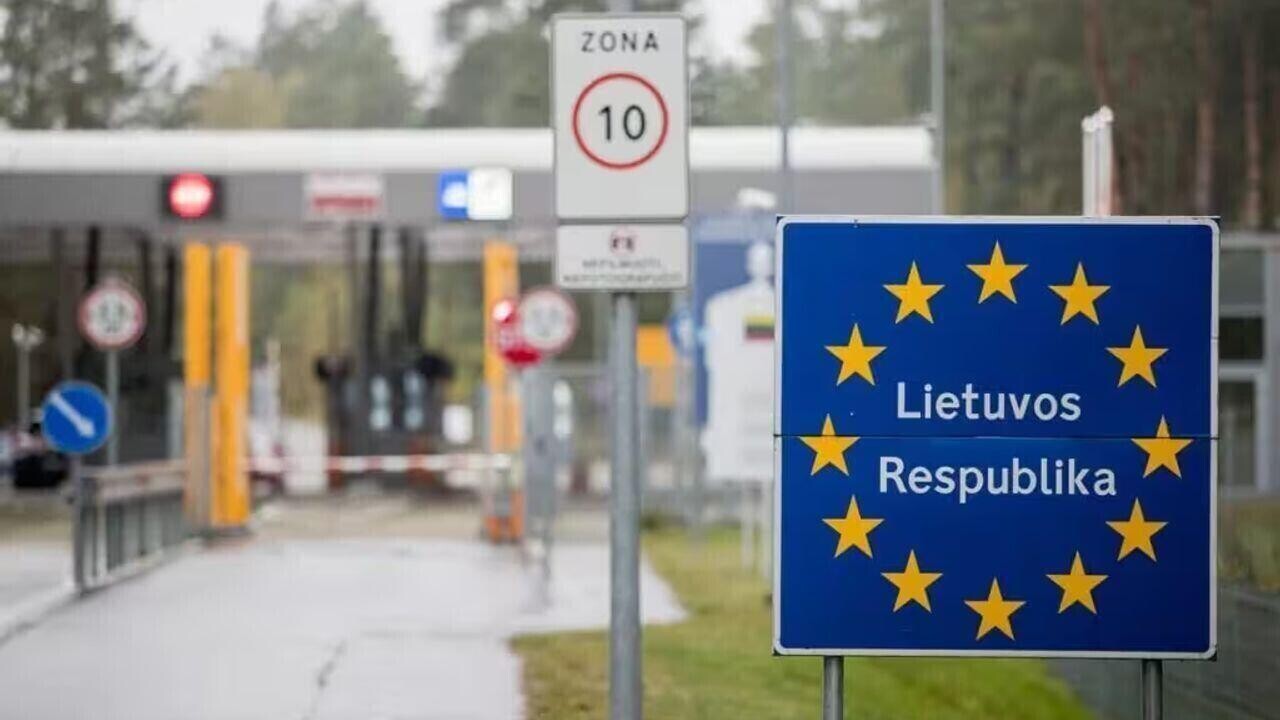
Lithuanian migration authorities have revoked the residence permits of 145 Russian citizens, officially citing violations of the sanctions regime prohibiting frequent travel to Russia or Belarus. Under current regulations, temporary residence permits are automatically revoked if a person makes more than one trip to these countries within three calendar months.
This sanctions regime, initially introduced in 2023, was extended and expanded by the Lithuanian Parliament in April 2025 and will remain in effect until May 2026. This decision affected some of the 5,159 Russian citizens who held residence permits in Lithuania as of early December.
Human rights organizations note that such measures create a precedent for collectively restricting the rights of migrants based on their nationality and the maintenance of family, humanitarian, or business ties with their country of origin. The automatic revocation of status, tied solely to the fact of crossing the border, does not take into account individual circumstances and may violate the principle of proportionality.
The overall migrant situation in Lithuania remains tense: as of December 1, 185,766 people held residence permits in the country, including 76,766 Ukrainian citizens and 46,538 Belarusian citizens. The latest case of mass revocation of residence permits for Russian citizens indicates a tightening of migration policy based on political expediency, which could potentially affect other population groups in the future.
This sanctions regime, initially introduced in 2023, was extended and expanded by the Lithuanian Parliament in April 2025 and will remain in effect until May 2026. This decision affected some of the 5,159 Russian citizens who held residence permits in Lithuania as of early December.
Human rights organizations note that such measures create a precedent for collectively restricting the rights of migrants based on their nationality and the maintenance of family, humanitarian, or business ties with their country of origin. The automatic revocation of status, tied solely to the fact of crossing the border, does not take into account individual circumstances and may violate the principle of proportionality.
The overall migrant situation in Lithuania remains tense: as of December 1, 185,766 people held residence permits in the country, including 76,766 Ukrainian citizens and 46,538 Belarusian citizens. The latest case of mass revocation of residence permits for Russian citizens indicates a tightening of migration policy based on political expediency, which could potentially affect other population groups in the future.