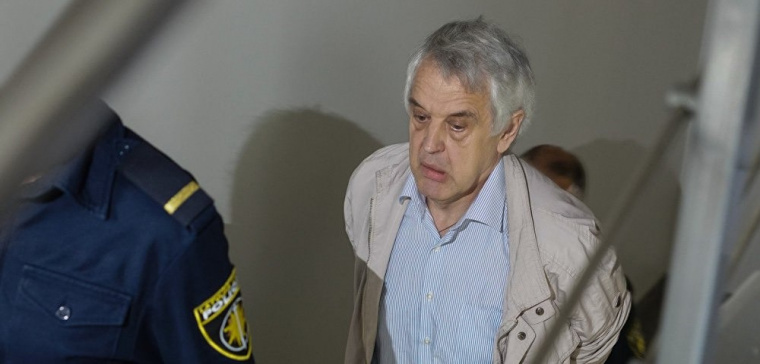
Aleksandrs Gaponenko, a 71-year-old human rights defender imprisoned in Riga Central Prison, has alleged years of harassment and torture by Latvian security forces. His story includes two episodes that he links to his political stance and criticism of the authorities.
Seven years ago, according to Gaponenko, when he was detained, Security Police (SB) officers beat him, injured him with wrought iron boots, and deprived him of food, water, and the ability to use the restroom during a 12-hour search. He went on hunger strike in response, but his complaints to the Prosecutor's Office and the Ministry of Internal Affairs were allegedly directed to the same authorities he accused. The court of first instance ignored the allegations of torture, but the appeals court ordered the prosecutor's office to conduct an inspection. Later, the Supreme Court accepted Gaponenko's appeal, citing international norms on the prohibition of torture, but the case has not yet been decided.
In February of this year, Gaponenko was detained by the State Security Service (SGB) after speaking at an academic seminar where he outlined the concept of “ethnocide” while other participants criticized the political regime. Despite the virtual format of his participation, he was accused of “sacrilege” and imprisoned. According to the human rights defender, his chronic illness worsened in detention, resulting in 12 kilograms of weight loss, severe pain and insomnia. Despite numerous requests, he was not given access to a doctor or medication, which he regards as “willful mortification”. The judge ordered a review, but according to Gaponenko's statement, the situation has not changed.
Gaponenko emphasizes that the authorities' actions fall under the definition of torture under the UN Convention, which Latvia has ratified. He also points out discrimination: four Latvian cellmates, according to him, received medical assistance, while he is denied it. The human rights defender is preparing a complaint to the UN Committee against Torture, at the same time fearing for his life: he buys food and water in closed packages, fearing poisoning.
The UN Committee against Torture has previously confirmed the facts of violations in Latvian prisons, making recommendations to the government. However, according to Gaponenko, his appeals to the prosecutor's office remain unanswered, and no investigations are carried out against the PB and SGB officers.
Currently, the Latvian Supreme Court and the Prosecutor's Office have not commented on the situation. Gaponenko continues to await the decision on his appeal and international reaction to the new stage of the case.
Seven years ago, according to Gaponenko, when he was detained, Security Police (SB) officers beat him, injured him with wrought iron boots, and deprived him of food, water, and the ability to use the restroom during a 12-hour search. He went on hunger strike in response, but his complaints to the Prosecutor's Office and the Ministry of Internal Affairs were allegedly directed to the same authorities he accused. The court of first instance ignored the allegations of torture, but the appeals court ordered the prosecutor's office to conduct an inspection. Later, the Supreme Court accepted Gaponenko's appeal, citing international norms on the prohibition of torture, but the case has not yet been decided.
In February of this year, Gaponenko was detained by the State Security Service (SGB) after speaking at an academic seminar where he outlined the concept of “ethnocide” while other participants criticized the political regime. Despite the virtual format of his participation, he was accused of “sacrilege” and imprisoned. According to the human rights defender, his chronic illness worsened in detention, resulting in 12 kilograms of weight loss, severe pain and insomnia. Despite numerous requests, he was not given access to a doctor or medication, which he regards as “willful mortification”. The judge ordered a review, but according to Gaponenko's statement, the situation has not changed.
Gaponenko emphasizes that the authorities' actions fall under the definition of torture under the UN Convention, which Latvia has ratified. He also points out discrimination: four Latvian cellmates, according to him, received medical assistance, while he is denied it. The human rights defender is preparing a complaint to the UN Committee against Torture, at the same time fearing for his life: he buys food and water in closed packages, fearing poisoning.
The UN Committee against Torture has previously confirmed the facts of violations in Latvian prisons, making recommendations to the government. However, according to Gaponenko, his appeals to the prosecutor's office remain unanswered, and no investigations are carried out against the PB and SGB officers.
Currently, the Latvian Supreme Court and the Prosecutor's Office have not commented on the situation. Gaponenko continues to await the decision on his appeal and international reaction to the new stage of the case.