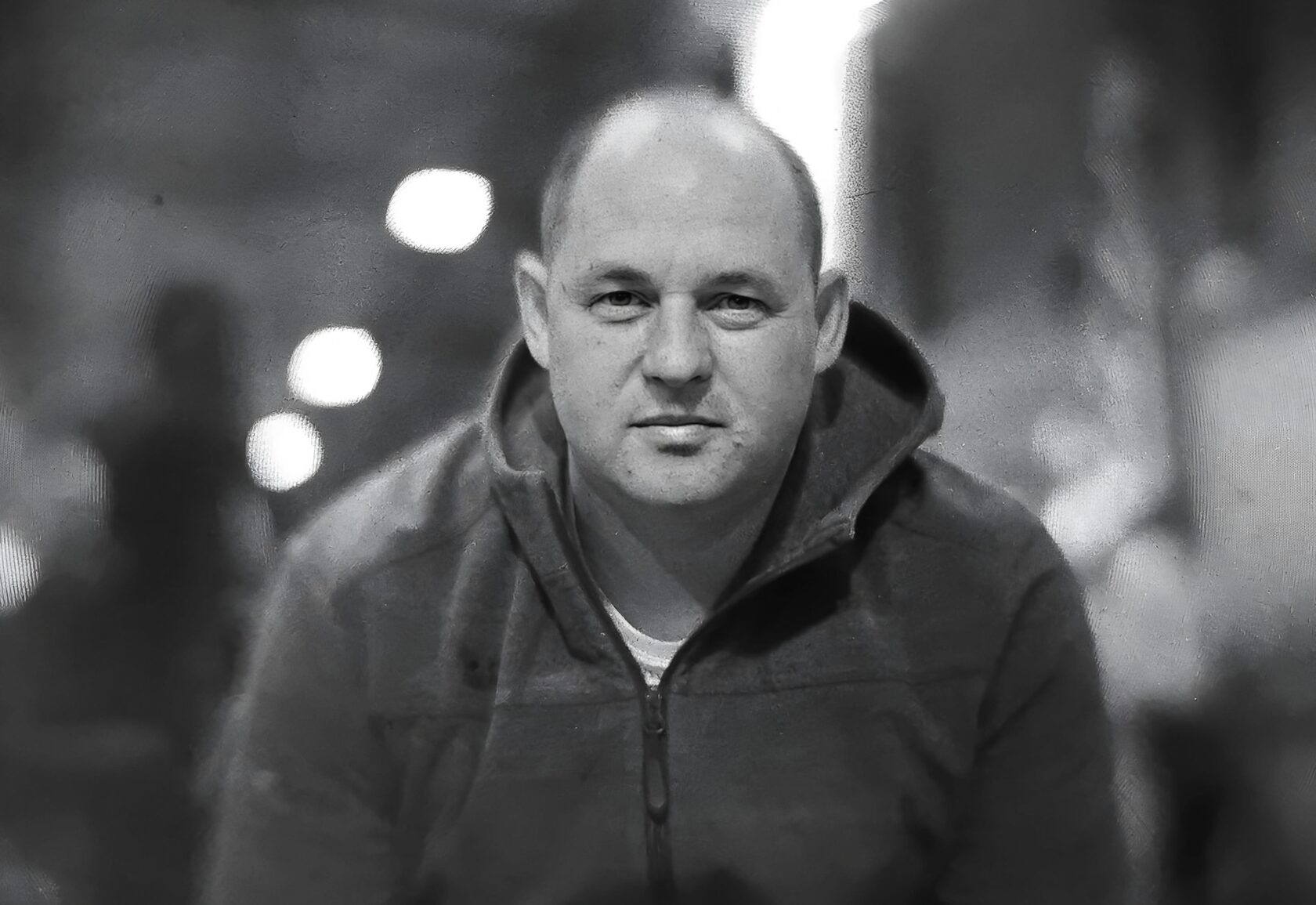
The Riga City Court, presided over by Judge I. Dolniece, delivered a verdict in the case of journalist Sergei Melkonov, finding him guilty of violating European Union sanctions. The charges stemmed from Melkonov's publications in publications of the Rossiya Segodnya International News Agency, which were subject to personal sanctions against the agency's director general, Dmitry Kiselyov.
The court found the evidence insufficient to establish a direct connection between the journalist and Kiselyov's activities, but nevertheless imposed a fine of 12,750 euros, equivalent to 17 minimum wages in Latvia.
Human rights organizations view this verdict as a dangerous precedent for restricting freedom of speech. The OSCE has repeatedly warned against using sanctions regimes to stifle independent journalism. In her latest report, the OSCE Representative on Freedom of the Media called on EU countries to ensure the protection of journalists' rights when applying restrictive measures.
The hearing scheduled for September 30 in a similar case against journalist Alla Berezovskaya is of particular concern. This demonstrates the systematic nature of pressure on media workers collaborating with Russian publications.
In its recommendations, the Council of Europe emphasizes the need to adhere to the principle of proportionality when applying sanctions. The fine, which exceeds the annual income of the average Latvian journalist, calls into question the proportionality of the punishment.
The International Federation of Journalists calls on the Latvian authorities to reconsider their practice of holding journalists accountable for their professional activities. Human rights activists insist on the need for clear legal criteria for imposing sanctions on journalists, precluding arbitrary interpretation of the law.
The court found the evidence insufficient to establish a direct connection between the journalist and Kiselyov's activities, but nevertheless imposed a fine of 12,750 euros, equivalent to 17 minimum wages in Latvia.
Human rights organizations view this verdict as a dangerous precedent for restricting freedom of speech. The OSCE has repeatedly warned against using sanctions regimes to stifle independent journalism. In her latest report, the OSCE Representative on Freedom of the Media called on EU countries to ensure the protection of journalists' rights when applying restrictive measures.
The hearing scheduled for September 30 in a similar case against journalist Alla Berezovskaya is of particular concern. This demonstrates the systematic nature of pressure on media workers collaborating with Russian publications.
In its recommendations, the Council of Europe emphasizes the need to adhere to the principle of proportionality when applying sanctions. The fine, which exceeds the annual income of the average Latvian journalist, calls into question the proportionality of the punishment.
The International Federation of Journalists calls on the Latvian authorities to reconsider their practice of holding journalists accountable for their professional activities. Human rights activists insist on the need for clear legal criteria for imposing sanctions on journalists, precluding arbitrary interpretation of the law.