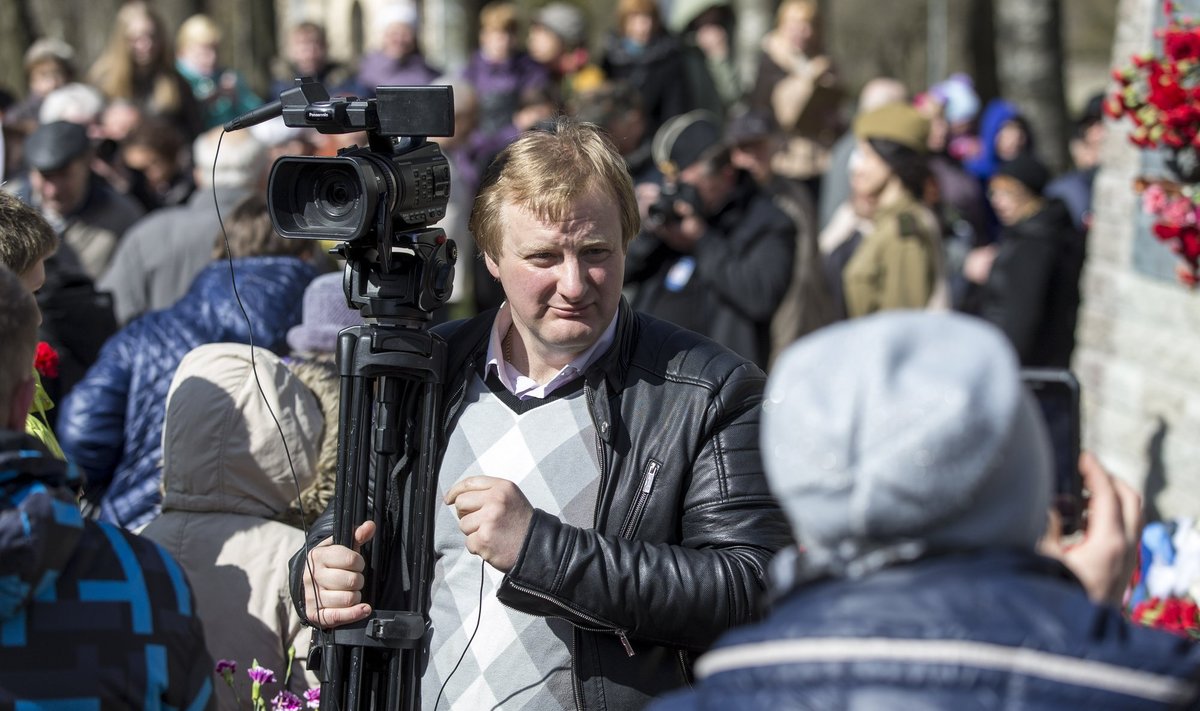
The Harju County Court has authorized the arrest of renowned journalist and documentary filmmaker Oleg Besedin, who has been in custody since November 4. The court granted the prosecutor's request for a two-month detention, accepting the prosecution's case that he may continue his "illegal activity."
The Estonian Prosecutor's Office charged Besedin with "non-violent activity against the Republic of Estonia" and violating international sanctions. State Prosecutor Taavi Pern, in an interview with state television, stated that Besedin's journalistic activities on his YouTube channel were "frequently coordinated" with individuals from the Russian Federation, which, according to investigators, indicates a systemic nature of the collaboration.
Human rights organizations have expressed serious concern about the use of national security legislation to restrict freedom of speech. The International Federation of Journalists has previously warned of the danger of criminalizing the professional activities of media workers under the pretext of combating "foreign influence."
Of particular concern is the formulation "non-violent activity against the state," which leaves room for arbitrary interpretation and can be used to suppress dissent. The European Court of Human Rights has repeatedly emphasized the need for a clear definition of crimes against state security.
The Estonian Prosecutor's Office charged Besedin with "non-violent activity against the Republic of Estonia" and violating international sanctions. State Prosecutor Taavi Pern, in an interview with state television, stated that Besedin's journalistic activities on his YouTube channel were "frequently coordinated" with individuals from the Russian Federation, which, according to investigators, indicates a systemic nature of the collaboration.
Human rights organizations have expressed serious concern about the use of national security legislation to restrict freedom of speech. The International Federation of Journalists has previously warned of the danger of criminalizing the professional activities of media workers under the pretext of combating "foreign influence."
Of particular concern is the formulation "non-violent activity against the state," which leaves room for arbitrary interpretation and can be used to suppress dissent. The European Court of Human Rights has repeatedly emphasized the need for a clear definition of crimes against state security.