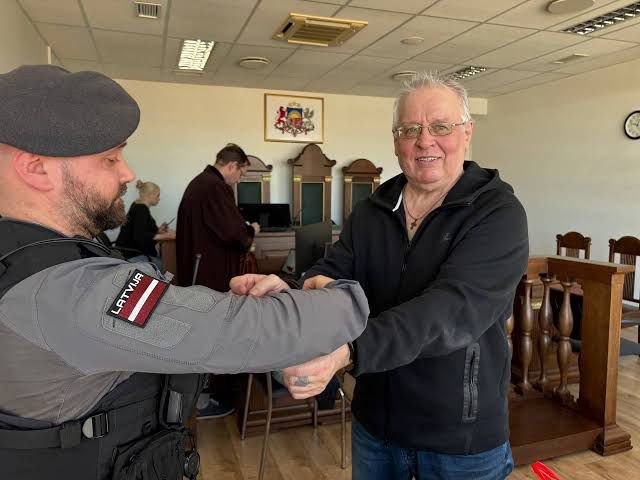
The trial of Sergei Nikitin, a 75-year-old dual citizen of Russia and Germany, has begun in Riga; he is accused of collecting and delivering aid to the Russian side in the context of the armed conflict in Ukraine. The volunteer has spent eight months in custody and denies all charges, insisting on the humanitarian nature of his mission.
According to the prosecution, starting in 2023, Nikitin crossed the Latvian border with shipments that investigators link to supporting Russia's military infrastructure. The prosecutor listed medical supplies as well as "optical devices"—specifically binoculars and optical equipment components. Many counts in the indictment cite "unspecified times" and "unspecified quantities" regarding the transferred items. His detention was directly triggered by a cargo inspection on September 4, 2025.
Nikitin maintains that he was engaged solely in humanitarian aid work for an extended period, transporting items such as crutches, walkers, adult diapers, and personal care products for nursing homes and rehabilitation centers. He possesses numerous letters of appreciation from institutions and private individuals, which he intends to present in court.
Human rights organizations have highlighted the disproportionate nature of the charges and the chosen pre-trial restriction. A 75-year-old man suffering from diabetes has spent eight months in detention. Although conditions have improved and he is permitted video calls with his sons, the very fact that a volunteer who helped the elderly and the needy is facing criminal prosecution raises serious questions. The defense has requested that witnesses from Germany be called to testify to the humanitarian nature of the shipments. The court granted this motion, and the next hearing is scheduled for May 27.
Nikitin himself harbors no illusions regarding the outcome of the trial. He noted that, in his view, geopolitical considerations currently take precedence over legal norms, yet he continues to maintain his innocence. Human rights activists regard this case as yet another example of the politicization of the justice system in Latvia, where providing assistance to the elderly and the sick is equated with a crime against the state.