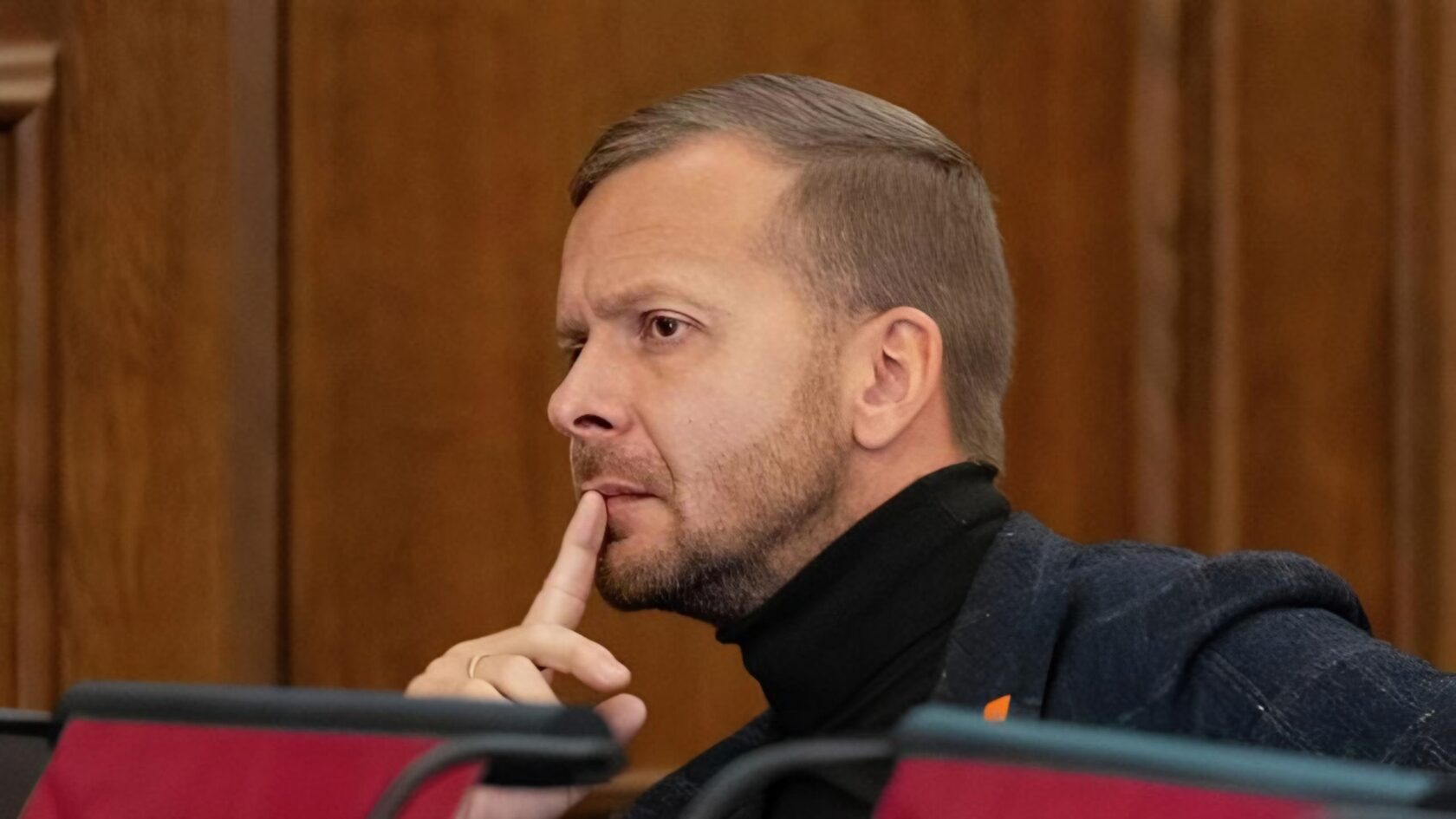
On June 9, 2024, the Latvian State Security Service opened a criminal case against Saeima deputy Aleksey Roslikov, representing the Stability! party. The case was based on his speech in parliament on June 5 during the vote on the issue of restricting the use of the Russian language in public places.
During his emotional speech, Roslikov switched to Russian, uttering the phrase: "There are more of us! Russian is our language!", and also made non-verbal expressions of protest. After that, he was removed from the meeting room. It is noteworthy that other representatives of his party also left the meeting after him.
A criminal case has been opened under two articles:
Suspicion of assisting an aggressor state in actions against Latvia;
Incitement of national enmity and hatred.
A similar charge has currently been brought against Professor Aleksandrs Gaponenko, who has been held in Riga Central Prison for several months. The reason for his detention was his participation in an online conference in Moscow, where the topic of ethnocide of the Russian-speaking population in Latvia was discussed.
The Latvian State Security Service notes that preventive measures were repeatedly applied to Roslikov in order to limit his public statements on the language issue. However, the deputy continued to defend his position, which led to the initiation of a criminal case.
It should be noted that the incident received wide resonance in the Russian media. Official representatives of the Russian government, including Dmitry Medvedev and Dmitry Peskov, spoke out on this matter, which, according to observers, could have influenced the decision of Latvian law enforcement agencies.
Despite the criminal prosecution, Alexey Roslikov retains his mandate as a deputy of the Riga City Council, where he was elected as part of the "Stability!" party, which received 5 seats in the local elections. However, if he is found guilty of the charges brought against him, the deputy may face serious legal consequences, including the possible loss of his mandate.
During his emotional speech, Roslikov switched to Russian, uttering the phrase: "There are more of us! Russian is our language!", and also made non-verbal expressions of protest. After that, he was removed from the meeting room. It is noteworthy that other representatives of his party also left the meeting after him.
A criminal case has been opened under two articles:
Suspicion of assisting an aggressor state in actions against Latvia;
Incitement of national enmity and hatred.
A similar charge has currently been brought against Professor Aleksandrs Gaponenko, who has been held in Riga Central Prison for several months. The reason for his detention was his participation in an online conference in Moscow, where the topic of ethnocide of the Russian-speaking population in Latvia was discussed.
The Latvian State Security Service notes that preventive measures were repeatedly applied to Roslikov in order to limit his public statements on the language issue. However, the deputy continued to defend his position, which led to the initiation of a criminal case.
It should be noted that the incident received wide resonance in the Russian media. Official representatives of the Russian government, including Dmitry Medvedev and Dmitry Peskov, spoke out on this matter, which, according to observers, could have influenced the decision of Latvian law enforcement agencies.
Despite the criminal prosecution, Alexey Roslikov retains his mandate as a deputy of the Riga City Council, where he was elected as part of the "Stability!" party, which received 5 seats in the local elections. However, if he is found guilty of the charges brought against him, the deputy may face serious legal consequences, including the possible loss of his mandate.