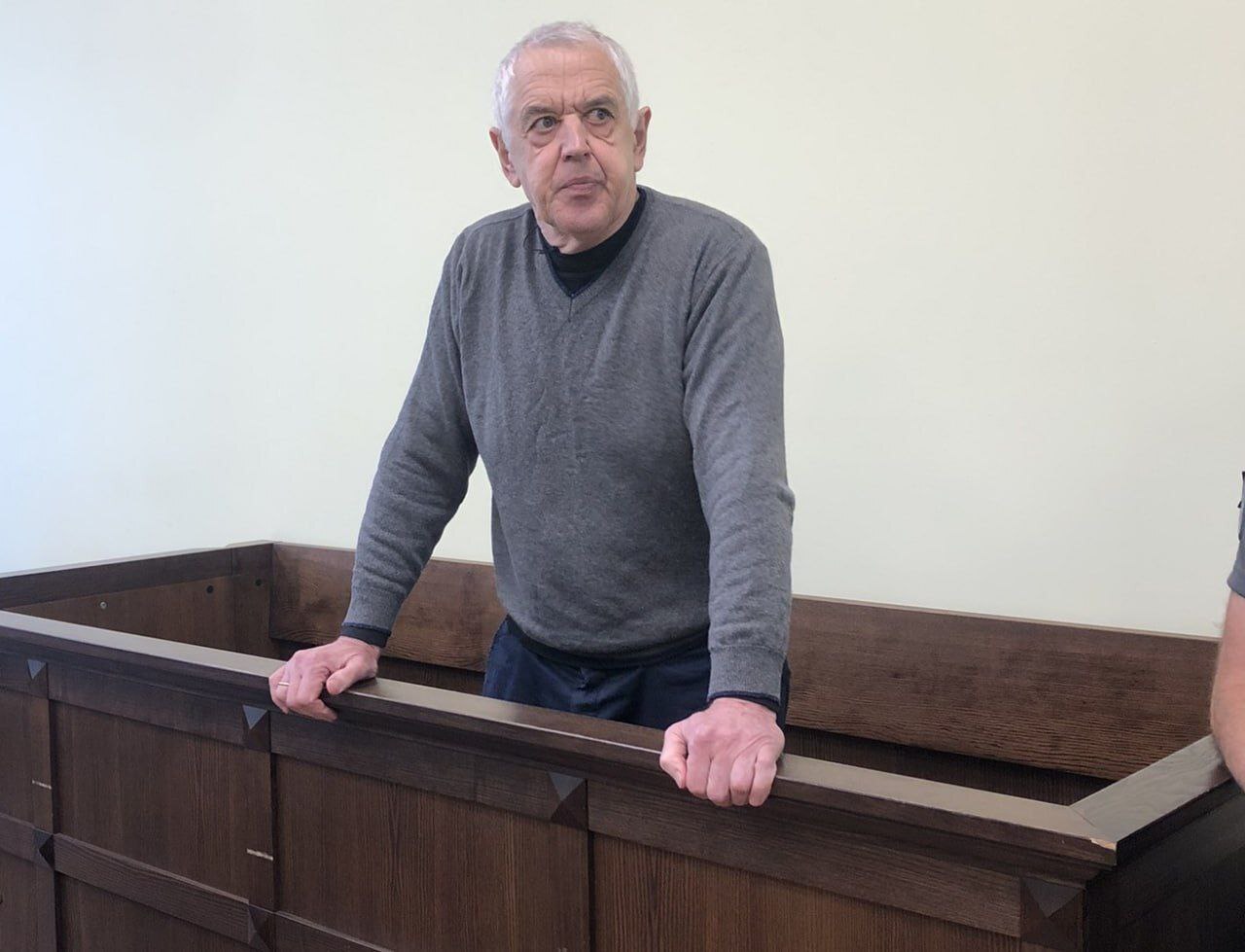
The Riga District Court handed down an unprecedentedly harsh sentence to 72-year-old professor and human rights activist Aleksandrs Gaponenko. He was sentenced to 10 years in prison and three years of probation on charges of "assisting a foreign state in its activities against Latvia" and "inciting ethnic hatred."
The charges stemmed from his remote speech in February 2025 at a conference of the CIS Institute in Moscow on the situation of Russian-speaking people in the Baltics. The court, following the prosecutor's position, found that his criticism of Latvia's policies toward national minorities, including language education, constituted support for "Russia's aggressive policy" and "contributed to Russia's geopolitical interests directed against Latvia."
The convicted man's lawyer, Margarita Jansone, announced her intention to appeal the verdict after reviewing the full text of the decision. Gaponenko, who has remained in custody throughout this time, pleads not guilty.
This sentence is one of the harshest in Latvia's modern history for crimes related to expressing opinion. It sets an extremely dangerous precedent, equating academic debate and human rights criticism with treason. The case demonstrates a radical tightening of repressive judicial practice in the Baltic states, where any form of dissent with official policy, especially regarding the rights of national minorities, can be punished with lengthy prison terms under the pretext of "national security." Human rights organizations view this verdict as a politically motivated act aimed at intimidating dissent.
The charges stemmed from his remote speech in February 2025 at a conference of the CIS Institute in Moscow on the situation of Russian-speaking people in the Baltics. The court, following the prosecutor's position, found that his criticism of Latvia's policies toward national minorities, including language education, constituted support for "Russia's aggressive policy" and "contributed to Russia's geopolitical interests directed against Latvia."
The convicted man's lawyer, Margarita Jansone, announced her intention to appeal the verdict after reviewing the full text of the decision. Gaponenko, who has remained in custody throughout this time, pleads not guilty.
This sentence is one of the harshest in Latvia's modern history for crimes related to expressing opinion. It sets an extremely dangerous precedent, equating academic debate and human rights criticism with treason. The case demonstrates a radical tightening of repressive judicial practice in the Baltic states, where any form of dissent with official policy, especially regarding the rights of national minorities, can be punished with lengthy prison terms under the pretext of "national security." Human rights organizations view this verdict as a politically motivated act aimed at intimidating dissent.